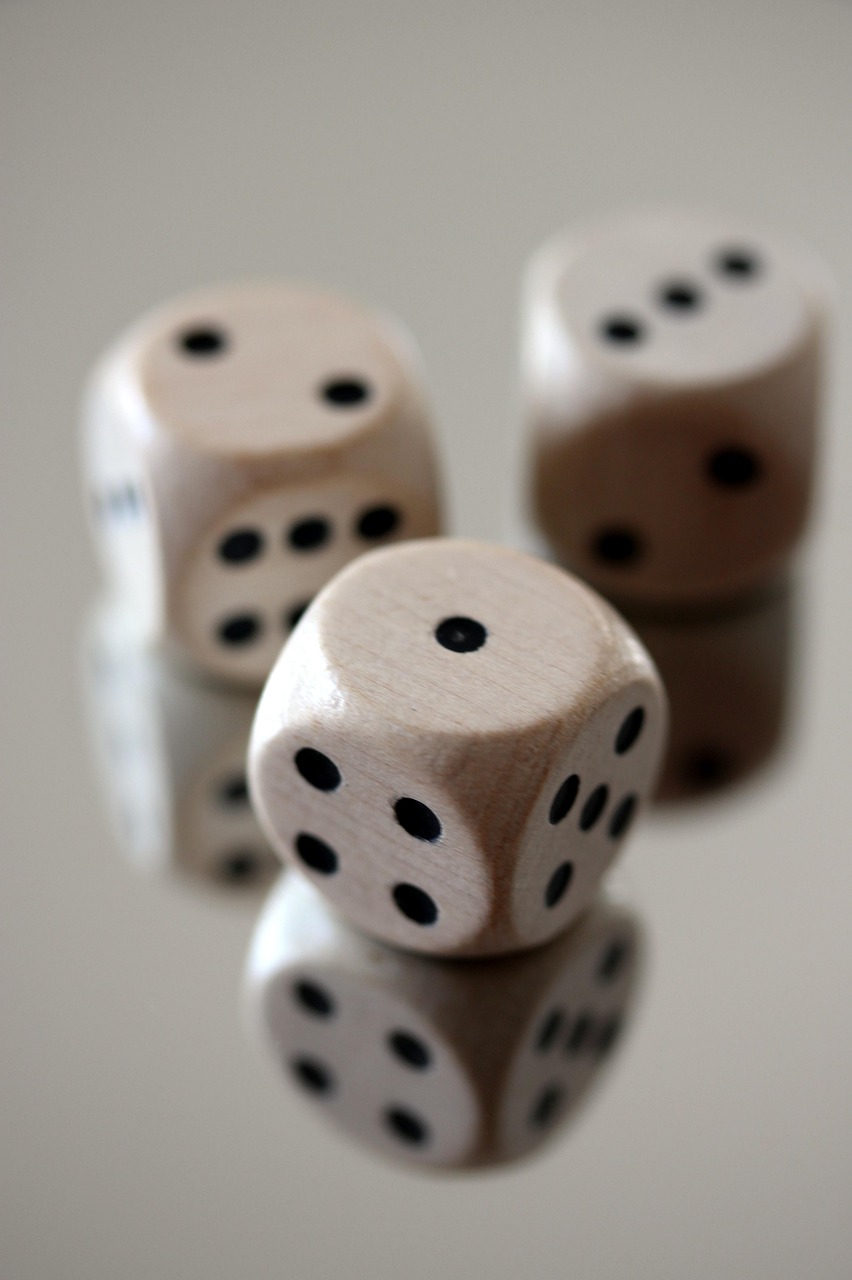
Every gambler has heard the phrase "the house always wins." It's repeated like gospel in casino lobbies, poker rooms, and betting forums. But if that were the entire truth, nobody would ever walk out of a casino up on the night, and professional poker players wouldn't exist. The reality is more interesting: the house always wins on average, over millions of bets — but the edge is not uniform across every game, and in a few cases, the player can actually hold it. That distinction is where all the strategy, enjoyment, and occasional profit live.
Let's break down what that edge really looks like, where it's smallest, and how the sharpest players think about slots, betting, and poker differently from the casual crowd.
The Casino Edge, Explained Without the Hype
House edge is just a percentage — the share of every dollar wagered that the casino expects to keep over the long run. It varies wildly depending on the game:
- Blackjack with basic strategy: roughly 0.5% house edge
- Baccarat (banker bet): about 1.06%
- Roulette (European single-zero wheel): 2.7%
- Roulette (American double-zero wheel): 5.26%
- Slots: typically 2% to 10%, sometimes higher on novelty machines
- Keno: often 25% or worse
- Poker (rake-based): the casino takes a cut, but the game itself is player-versus-player
Notice the spread. A dollar on a good blackjack table is worth ten or twenty dollars on a keno ticket in terms of expected return. That doesn't mean blackjack players always win — variance is brutal in the short run — but the expected loss per hour is dramatically lower. Someone betting $10 a hand at blackjack with basic strategy loses roughly $3 an hour on average. That same player feeding a slot machine at one spin every five seconds loses closer to $70–$100 an hour. Same bankroll, wildly different cost of entertainment.
Slots: Understanding Volatility, RTP, and Why It Matters
Slot players often focus on the jackpot figure and ignore the math underneath. But two numbers drive everything: Return to Player (RTP) and volatility.
RTP is the percentage of all wagered money returned to players over time. A 96% RTP machine returns $96 for every $100 cycled through it, theoretically. The remaining 4% is the house's cut. Newer online slots frequently publish RTPs of 95–97%, which is genuinely better than many land-based machines sitting at 88–92%. If you play slots online, checking the RTP in the game info screen is the single easiest way to improve your value.
Volatility is about how that return arrives:
- Low volatility: Frequent small wins, gentle bankroll drain
- Medium volatility: A balance most players find comfortable
- High volatility: Long dry spells punctuated by big hits — think Megaways games or bonus-buy titles
Neither is "better," but mismatched volatility and bankroll is the number one reason players blow through their balance in twenty minutes. If you only have $50, a high-volatility slot can wipe you out before a bonus ever triggers. Match your stake size to your bankroll — a common rule is 100–200 spins minimum at your chosen bet level.
Sports Betting: Line Shopping and the Vig
In sports betting, the bookmaker's edge hides in the odds. If two evenly matched teams are each priced at -110 (decimal 1.91), you'd need to win 52.4% of those bets just to break even. That extra 2.4% above a coin flip is the vig, or juice — the book's baked-in profit. For practical tips, check out สล็อต.
The practical implication: winning bettors shop lines. The same game might be -110 at one sportsbook and -105 at another, and over hundreds of bets that difference compounds enormously. Sign-up bonuses, odds boosts, and cash-out offers can shift the math further, but only if you read the terms. A 100% deposit bonus with a 40x rollover on a game with a 5% edge is often worse than no bonus at all.
A few anchors worth remembering:
- Never bet on a line before comparing at least three books.
- Understand closing line value (CLV) — if you consistently beat the closing number, you're probably a long-term winner.
- Respect the vig on parlays. Combining bets multiplies the house edge, not just the payout.
Poker: The Only Game Where You Can Have the Edge
Poker is unique because the house doesn't play against you — it takes a rake and steps aside. That means your profit comes from other players, which means skill actually matters over time. A strong player can sustain win rates of 3–5 big blinds per 100 hands at low-stakes no-limit hold'em, even after rake. A weak player loses at a similar rate.
Three concepts separate winning players from the field:
- Position: Acting last provides more information on every street. It's the most underrated edge in amateur games.
- Bankroll management: Even good players hit 20 buy-in downswings. Playing stakes you can afford psychologically is non-negotiable.
- Game selection: A mediocre player at a soft table beats a great player at a tough one most nights.
If you're moving from slots or sports betting into poker, treat the first few thousand hands as tuition. Track results, review big pots, and avoid jumping stakes after a winning session.
The Mental Side Nobody Talks About
All the math in the world doesn't matter if you chase losses. The casino's real edge isn't the 4% RTP gap — it's the tilt, the frustration, the impulse to win it back. Sessions should have a stop-loss and a stop-win, written down before you start. The players who last are the ones who treat gambling as an entertainment budget rather than a side income.
Track your actual hours and net results for a month. Most people are shocked by what the spreadsheet says — not because they lost, but because they never realized how quickly small edges compound in either direction.
Final Thoughts
Nobody beats the house at slots or roulette over a lifetime, but you can absolutely beat it at poker, and you can dramatically reduce its edge in blackjack and sports betting with disciplined choices. The gap between a player who loses 10% of their bankroll per hour and one who loses 1% is rarely luck — it's game selection, staking discipline, and knowing which battles are worth fighting. Choose the games where the math respects you, and treat the rest as paid entertainment.


Félix Lengyel 01.01.2024 at 8:00
You guys have put so much work, effort, and time while designing this awesome theme I can see that passion when I incorporated it into my website.
ReplyJoseph Crawford 01.01.2024 at 8:00
The only thing I LOVE more than this theme and it’s incredible options is the support team! They are freaking amazable!
ReplyPatsy Hamlin 01.01.2024 at 8:00
Outstanding quality in this theme, brilliant Effects and perfect crafted Code. We absolutely love it and can highly recommend DynamicLayers!
Reply